Rooibos, at source
The village co-op has farmed rooibos on these slopes for two centuries. Taste and buy where it grows.
Visit Wupperthal — Moravian mission village, rooibos, handmade vellies and the Cederberg, Western Cape.
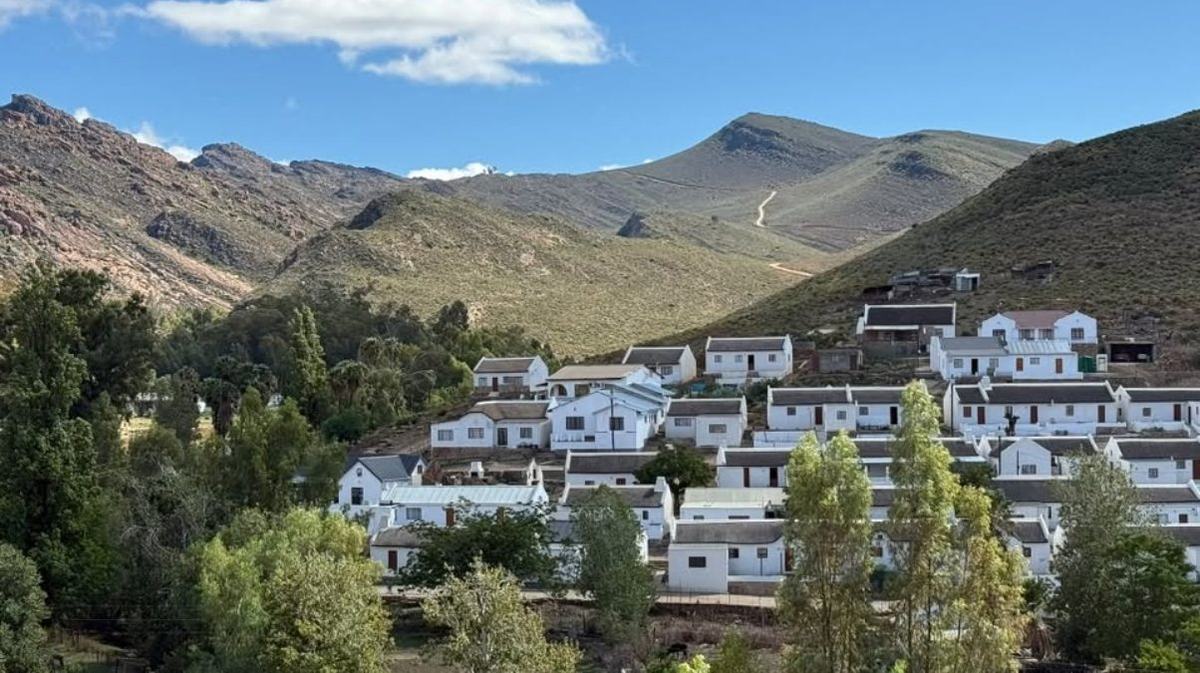
Whitewashed cottages, the country's oldest shoe factory, handmade vellies and rooibos on the mountain — Wupperthal, Western Cape, since 1830. Find accommodation, things to do and how to get here.
At the end of 75 kilometres of Cederberg gravel, a Moravian mission village has kept its whitewashed cottages, its 1830s church, and a way of making things by hand that most places lost a century ago.
Rooibos grown the old way. Veldskoene stitched in the country's oldest shoe factory. A valley that turns to wildflowers each spring. This is how to visit it well.
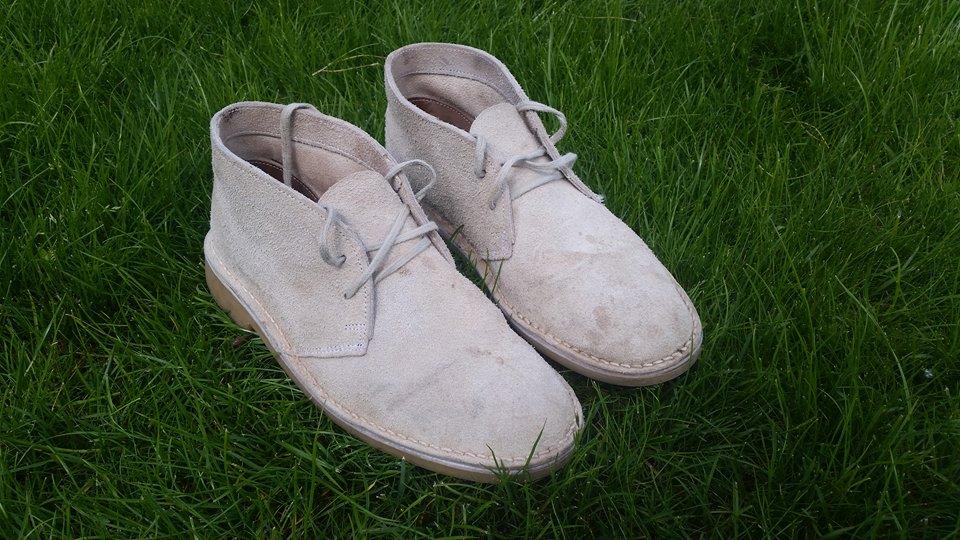
Johann Gottlieb Leipoldt — a missionary and a shoemaker by trade — set up the workshop in 1836, because residents and travellers needed something that could take the Cederberg. It was the first commercial maker of the veldskoen in the country. Nearly two centuries on, they are still cut and hand-stitched here, and people travel from Europe and Asia to buy a pair at the door.
“Nelson Mandela came to the factory in the late 1990s, and left wearing a pair.”
Handed to him by Arnold Gertse, the factory manager. Forbes Africa, 2012
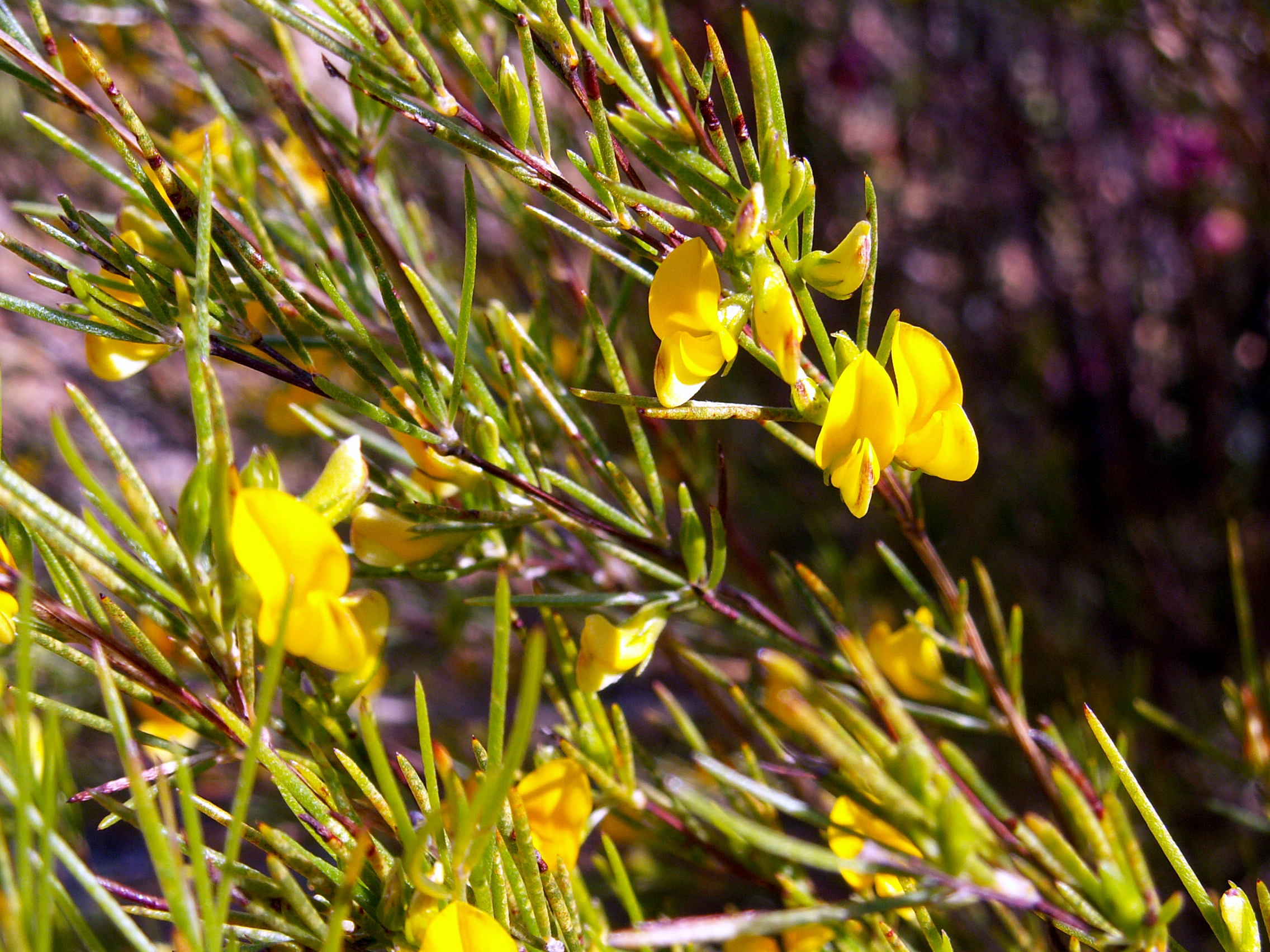
The village co-op has farmed rooibos on these slopes for two centuries. Taste and buy where it grows.
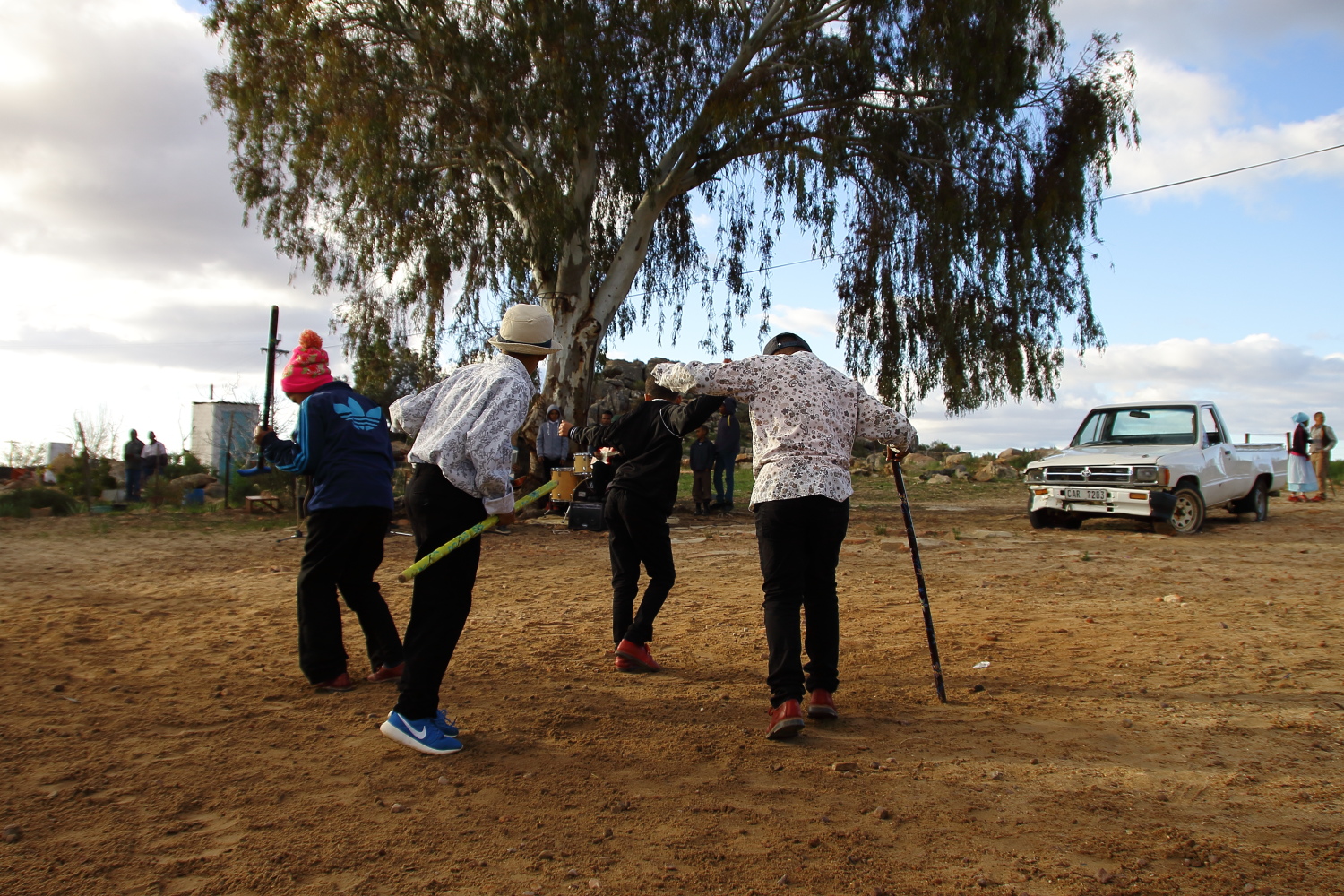
The Nuwe Graskoue Trappers keep one of the country's oldest indigenous dances alive, from here to the national stage.
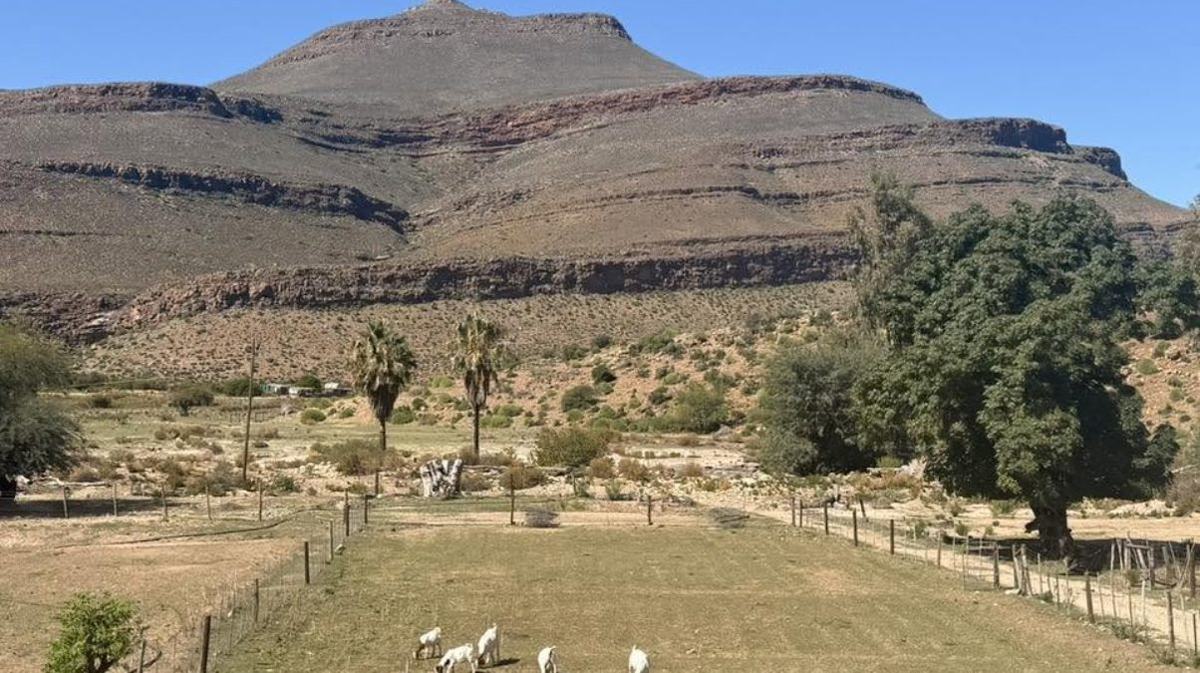
The village sits on the banks of the Tra-Tra, water running in furrows down the street, goats grazing the slopes above.
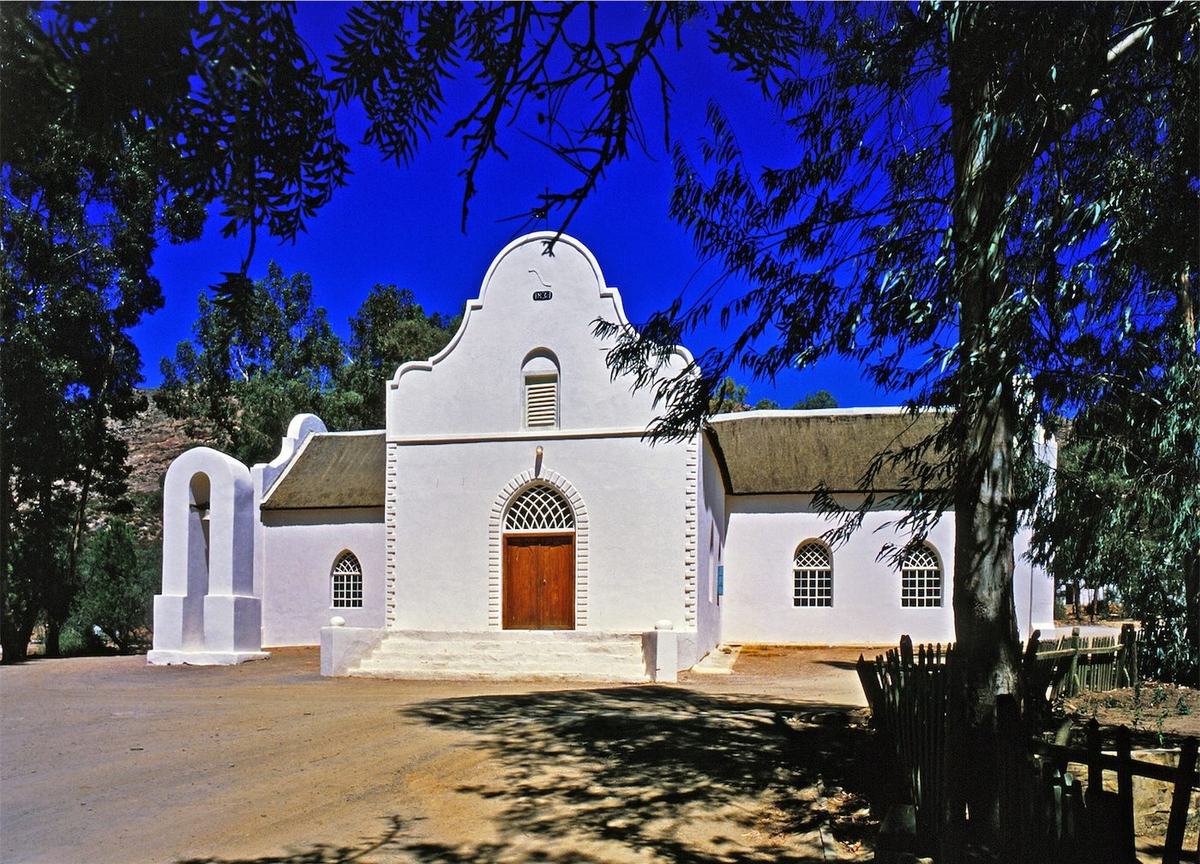
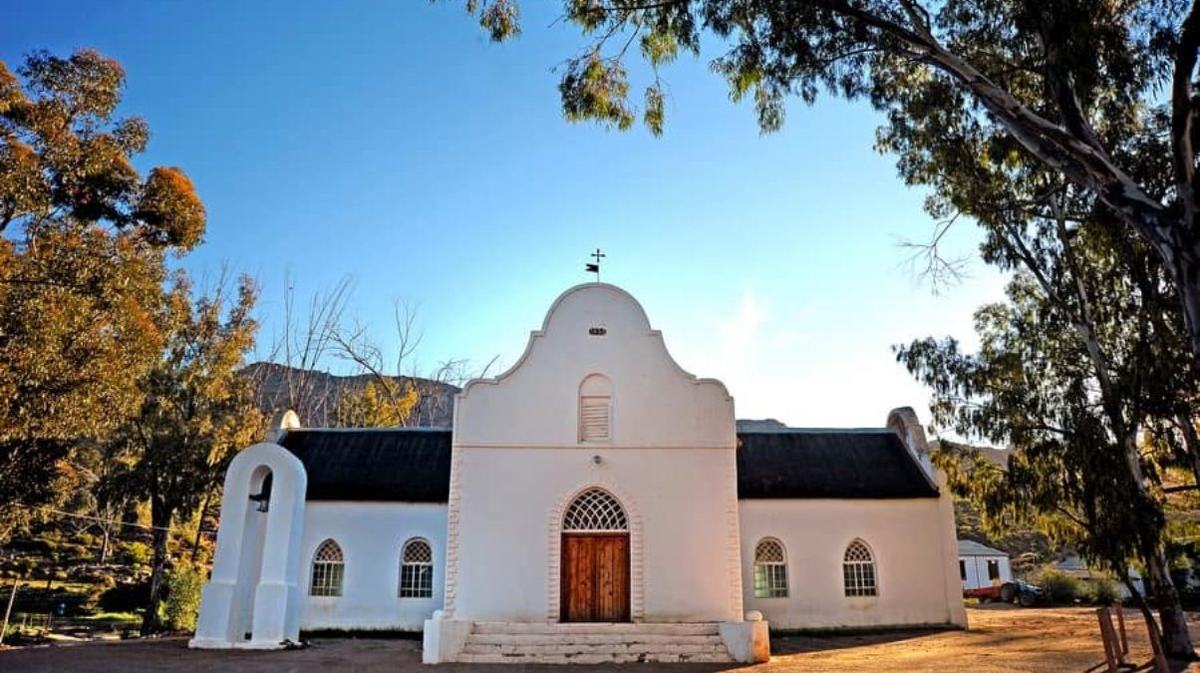
The gabled, thatched church at the heart of the village dates from the 1830s. Sunday services are still held, and visitors are welcome.
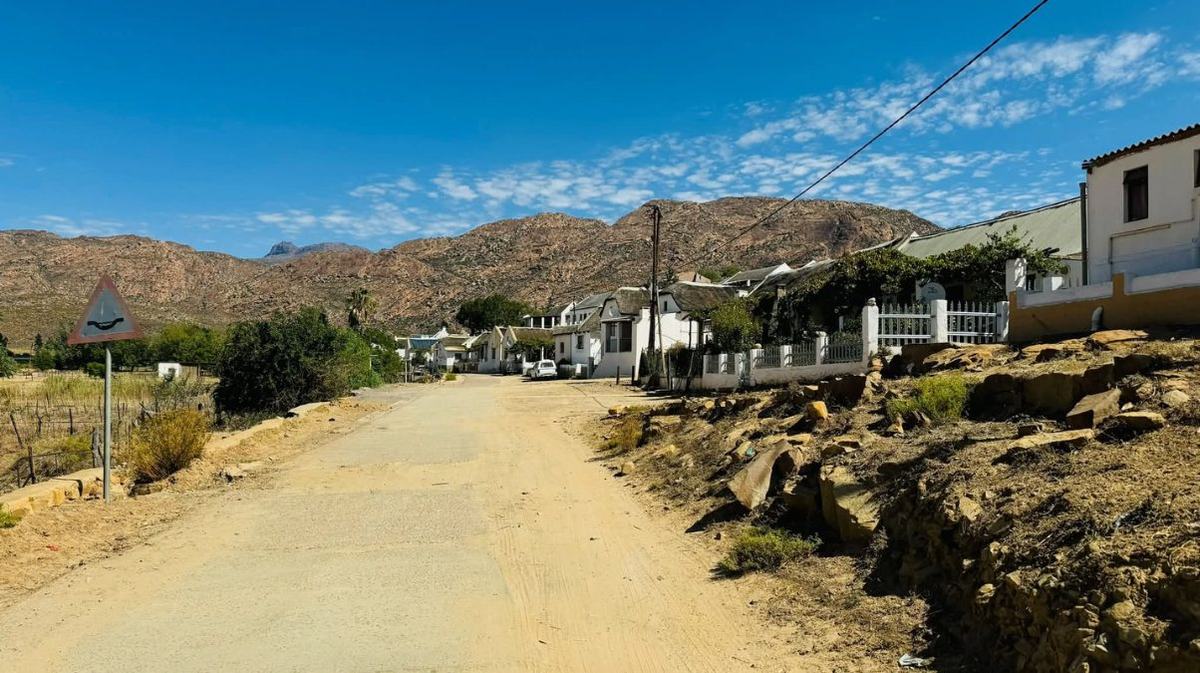
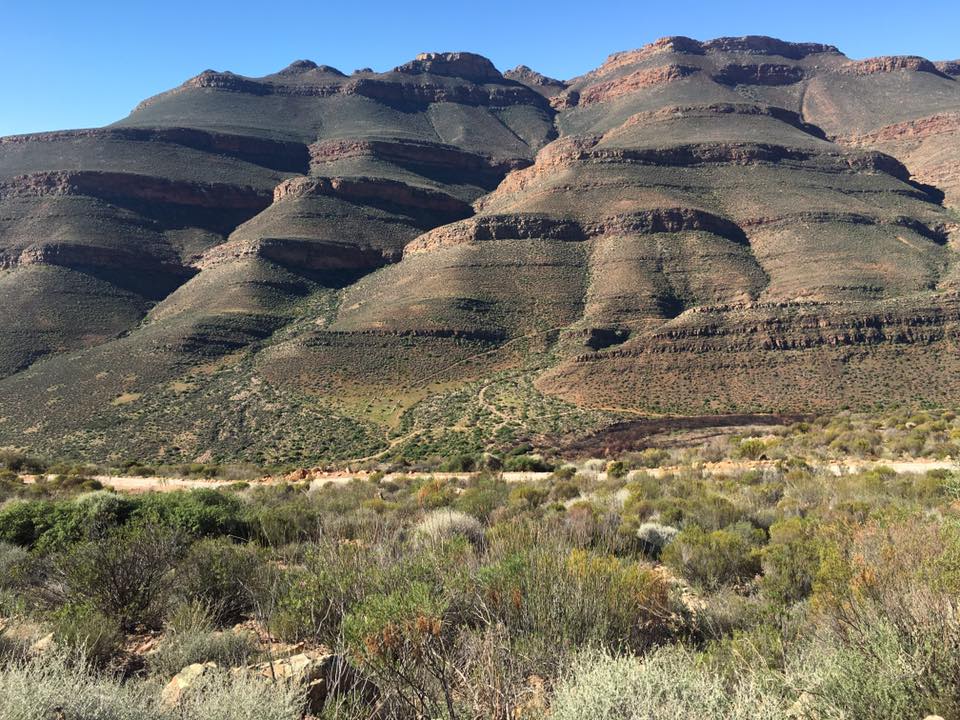
One winding gravel street, whitewashed cottages either side, and the mountains closing the valley at both ends.
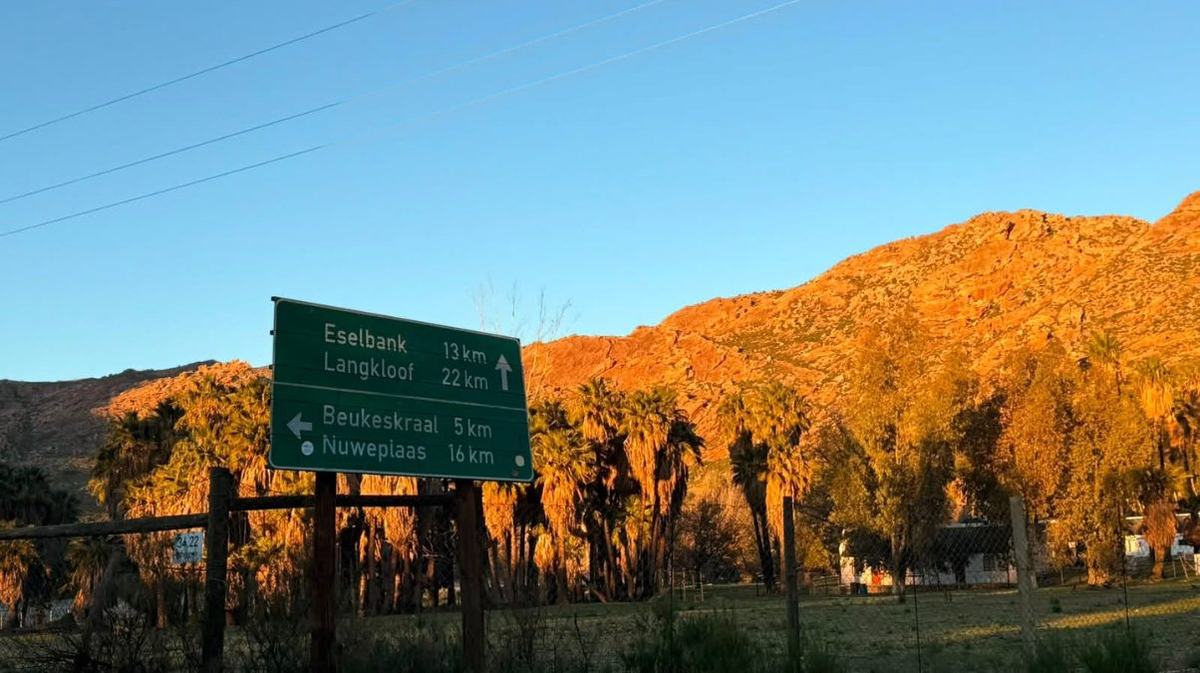
Eselbank, Langkloof, Beukeskraal, Nuweplaas — small mission outposts on the gravel beyond the village, each worth the detour.
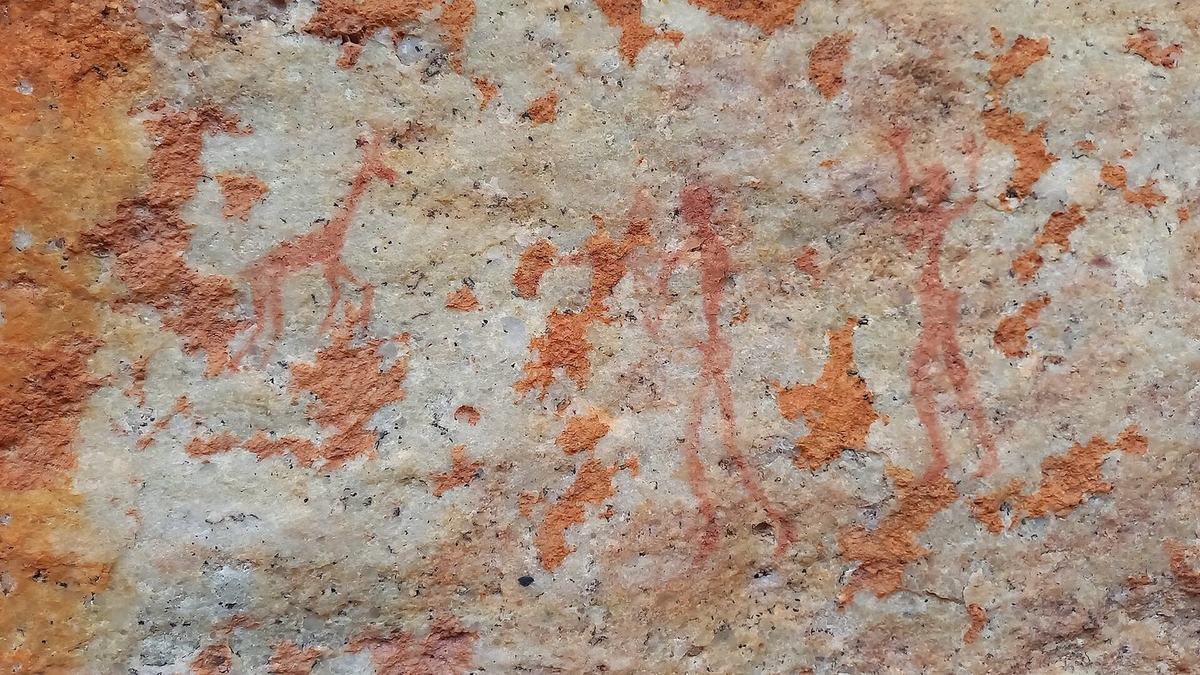
Most visitors turn around at the village and miss the better half: a waterfall under a rock arch, a donkey cart that carries your bags over a mountain pass, and painted shelters that are thousands of years older than the mission.
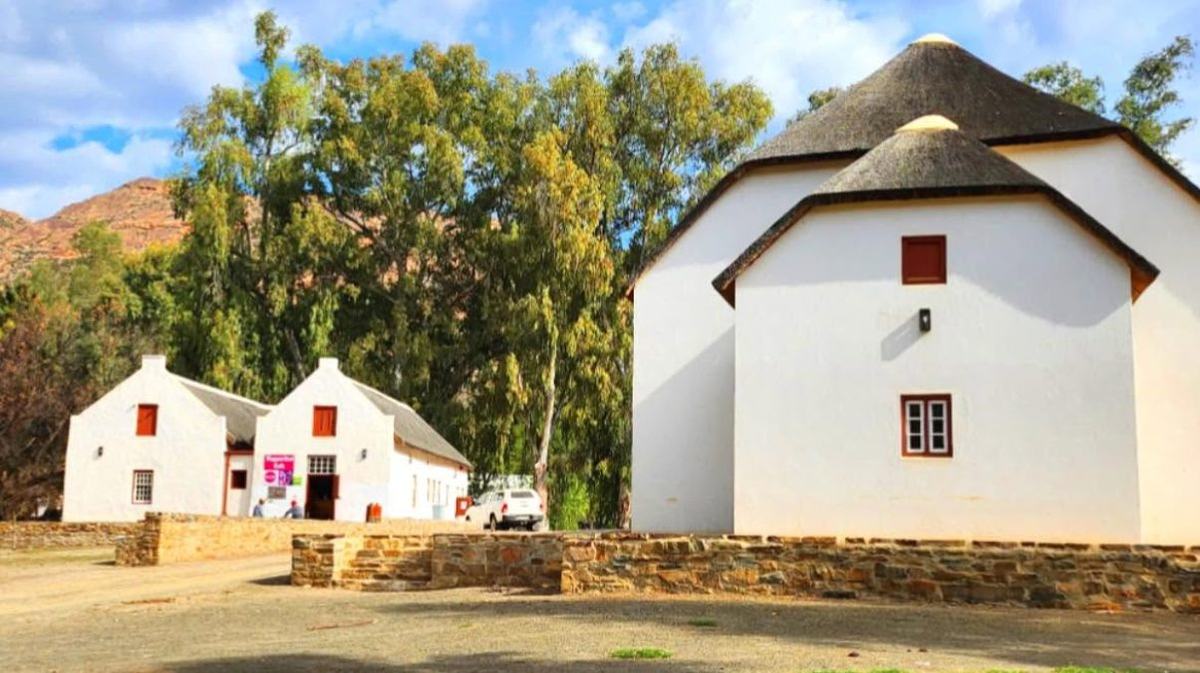
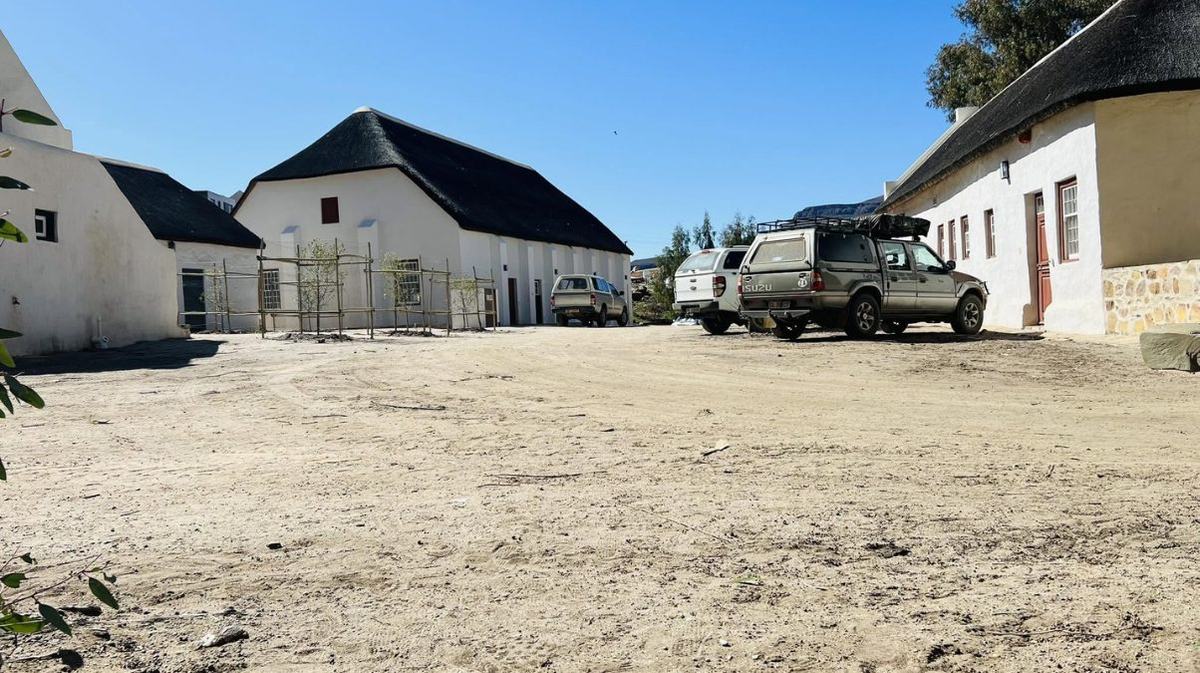
Die Werf is the old communal heart of the village — the church, the hall, the hostel, the butchery, the rooibos cosmetics shop and the Louis Leipoldt Museum around one open yard. The Mission Store here started life as the village's second school, probably built in the late 1830s, which makes it one of the oldest buildings standing.
Inside it you'll find Lekkerbekkie, the village restaurant and tea room: breakfast, lunch, light local meals, coffee and something cold. It burned with the rest of Die Werf in 2018, and has since been rebuilt, upgraded and furnished with West Coast District Municipality tourism support — and it is run by women from the community. It is also the only shop in the village, so it is where you top up on cold drinks and snacks before heading further up the gravel.
Hours change with the season and with who is in the valley — phone ahead through the mission office before you count on lunch.
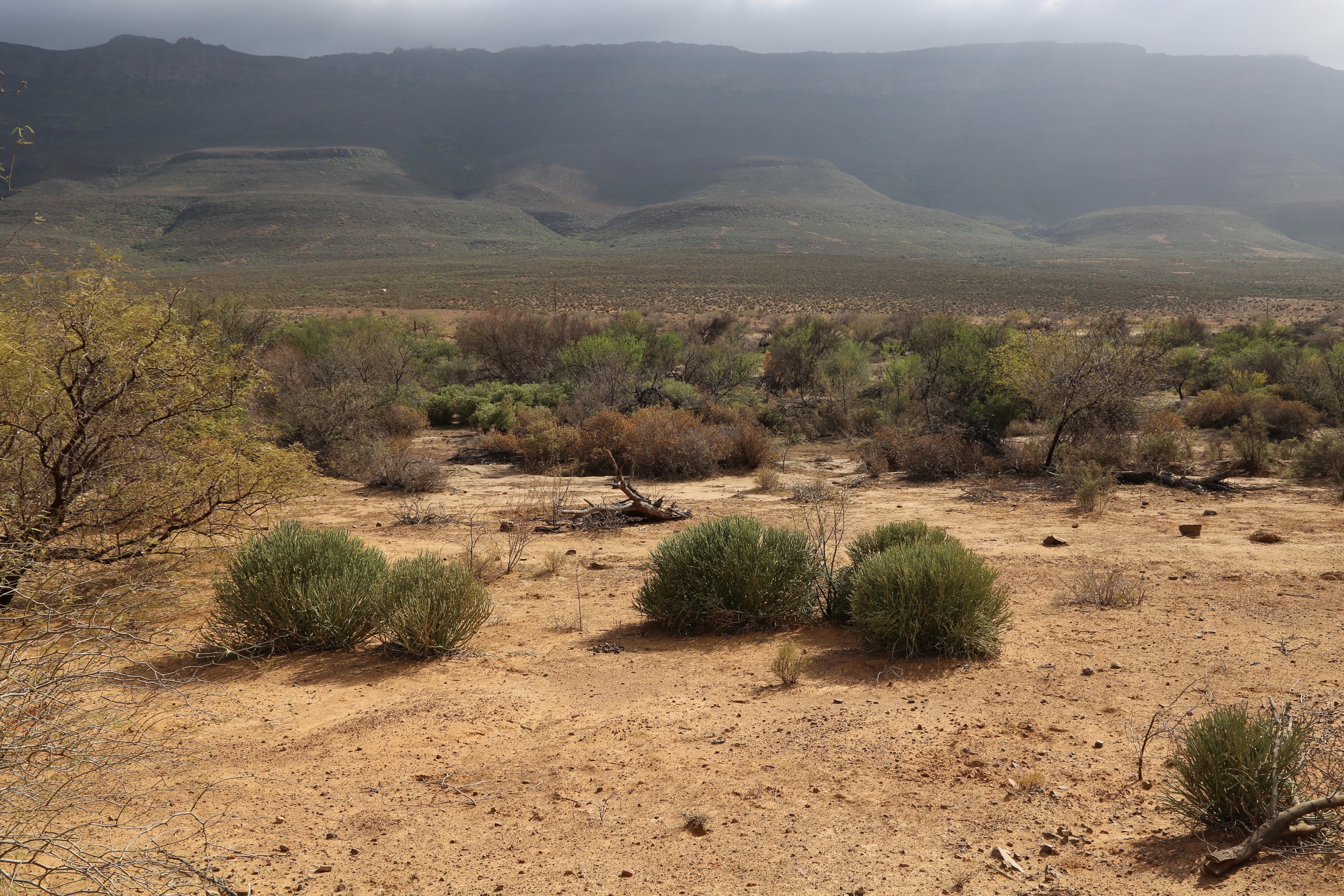
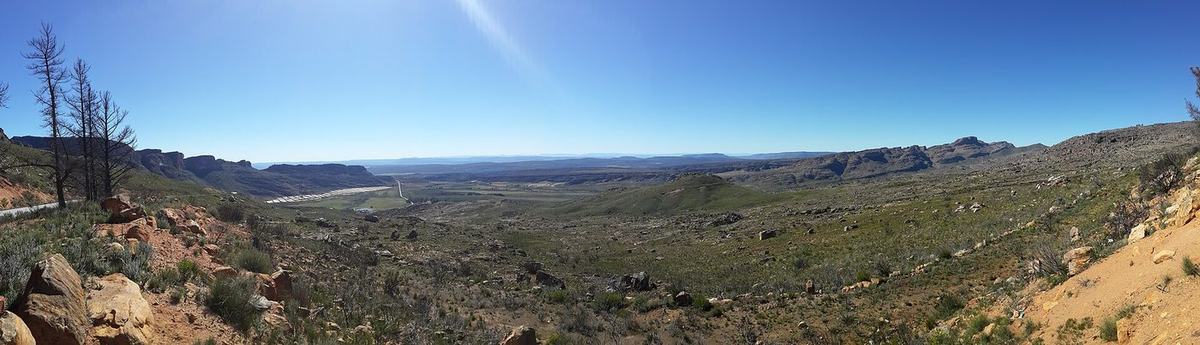
From Clanwilliam it's about 75km over the Pakhuis Pass — roughly two hours, most of it unpaved but manageable in an ordinary car in dry weather. The nearest fuel and shops are back in Clanwilliam, so arrive stocked.
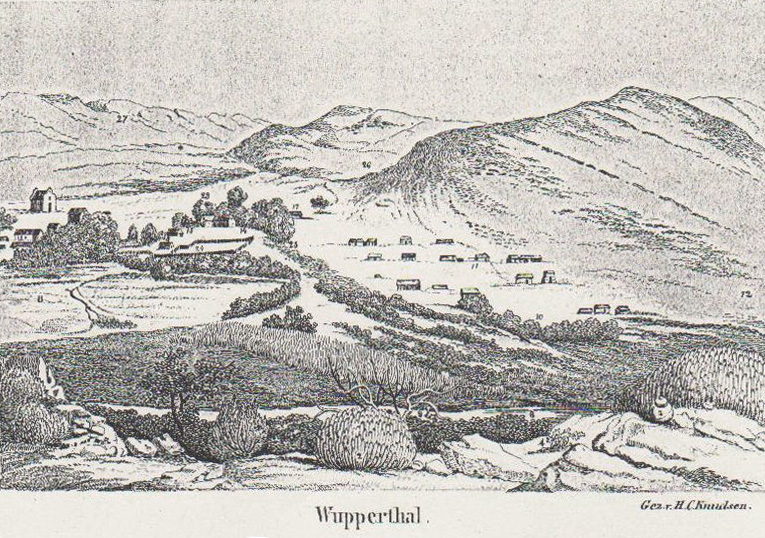
Two Rhenish missionaries from the Wupper valley in Germany — Theobald von Wurmb and Johann Gottlieb Leipoldt — founded Wupperthal in 1830. Seven Khoi families settled first; freed slaves followed in numbers after emancipation in 1838. They farmed, made shoes, hats and gloves, tanned leather and rolled tobacco, and built the cottages that still stand. When a 2018 fire tore through the centre, the community rebuilt it — cottage by cottage.
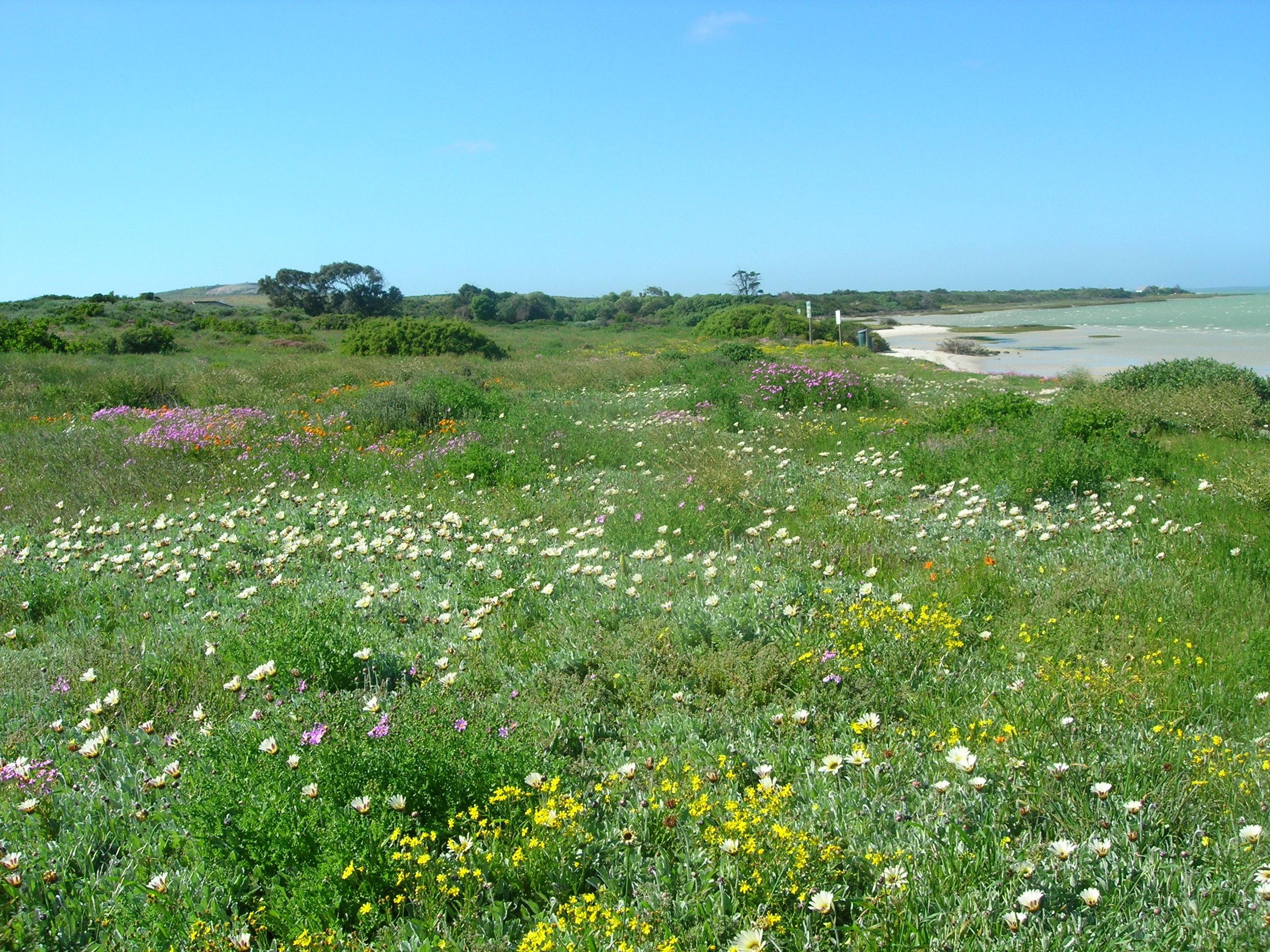
For a few weeks each spring, the veld toward the Biedouw Valley fills with Namaqualand daisies — orange, white and gold after the winter rain. Timing is everything, and it shifts year to year with the rainfall.
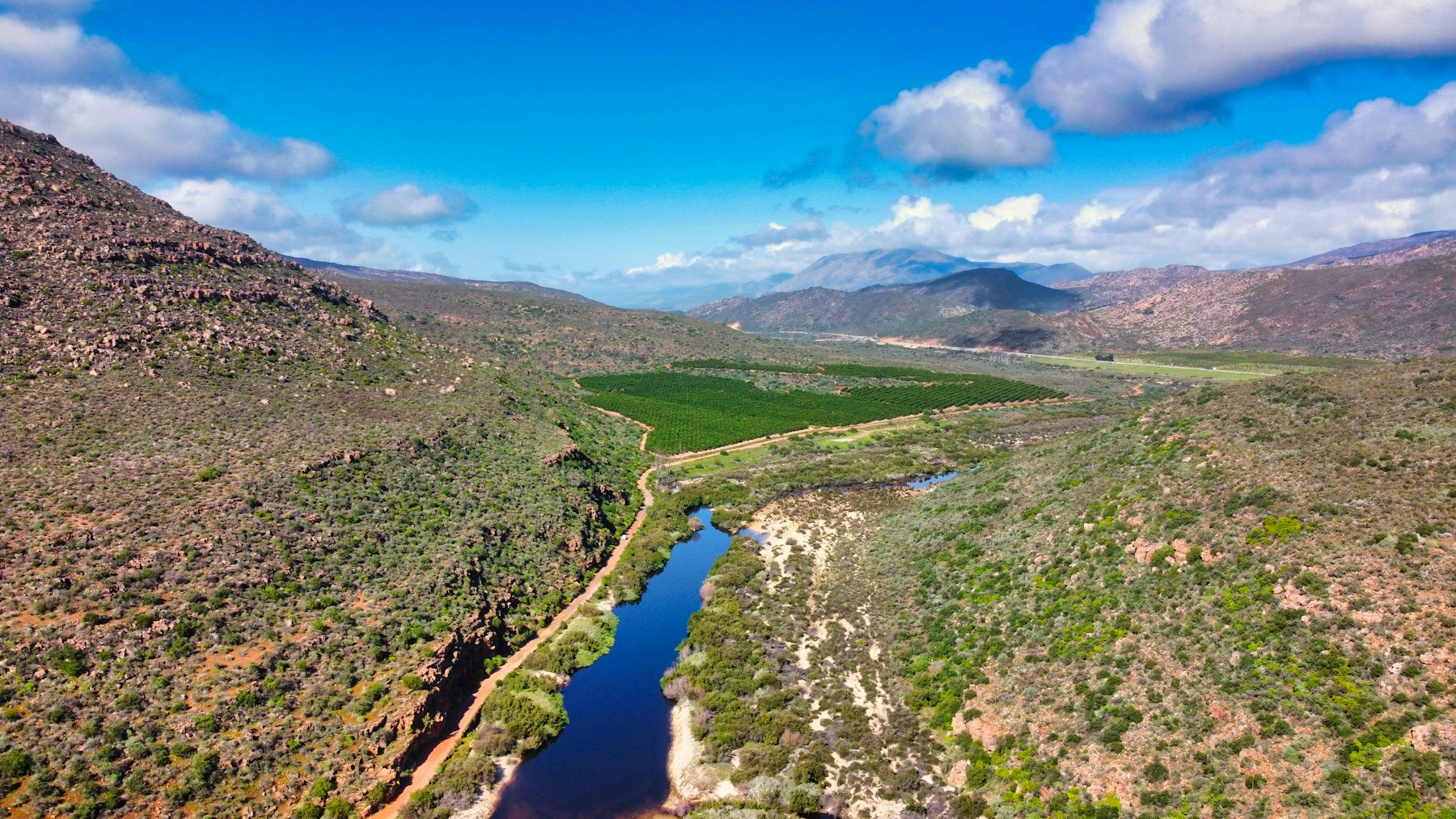
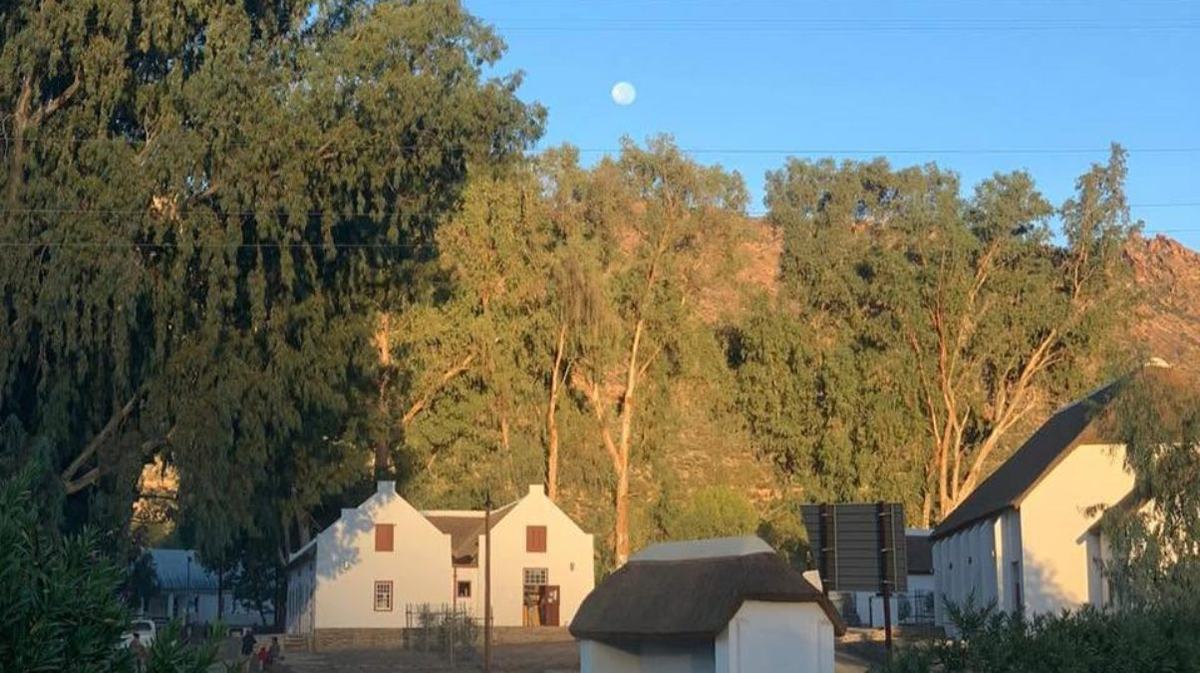
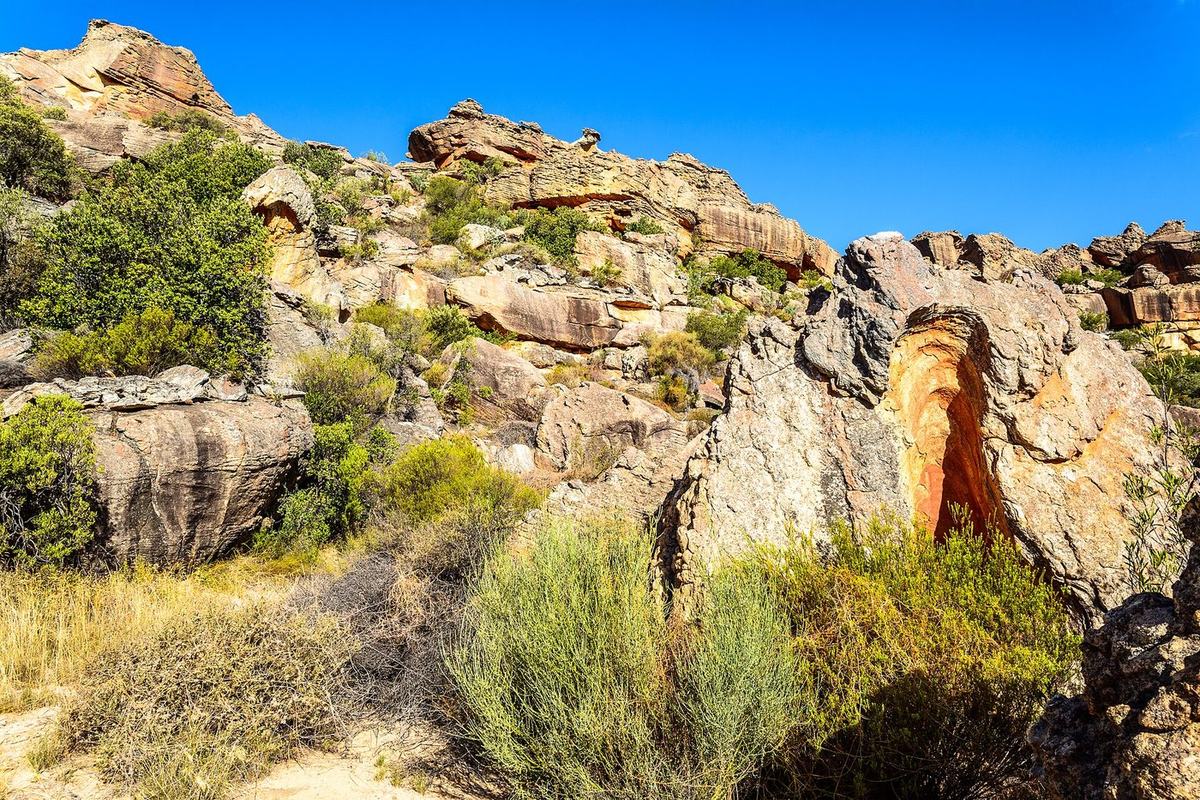
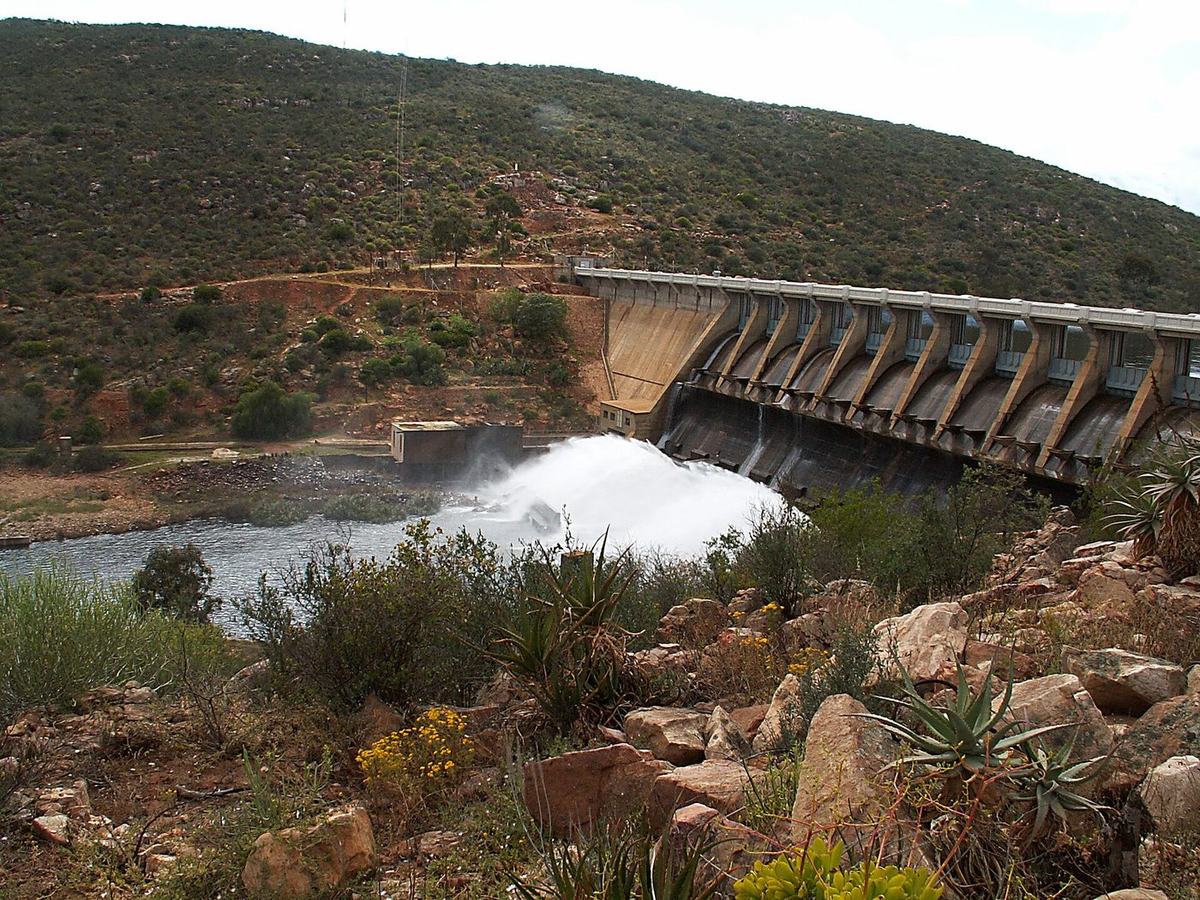
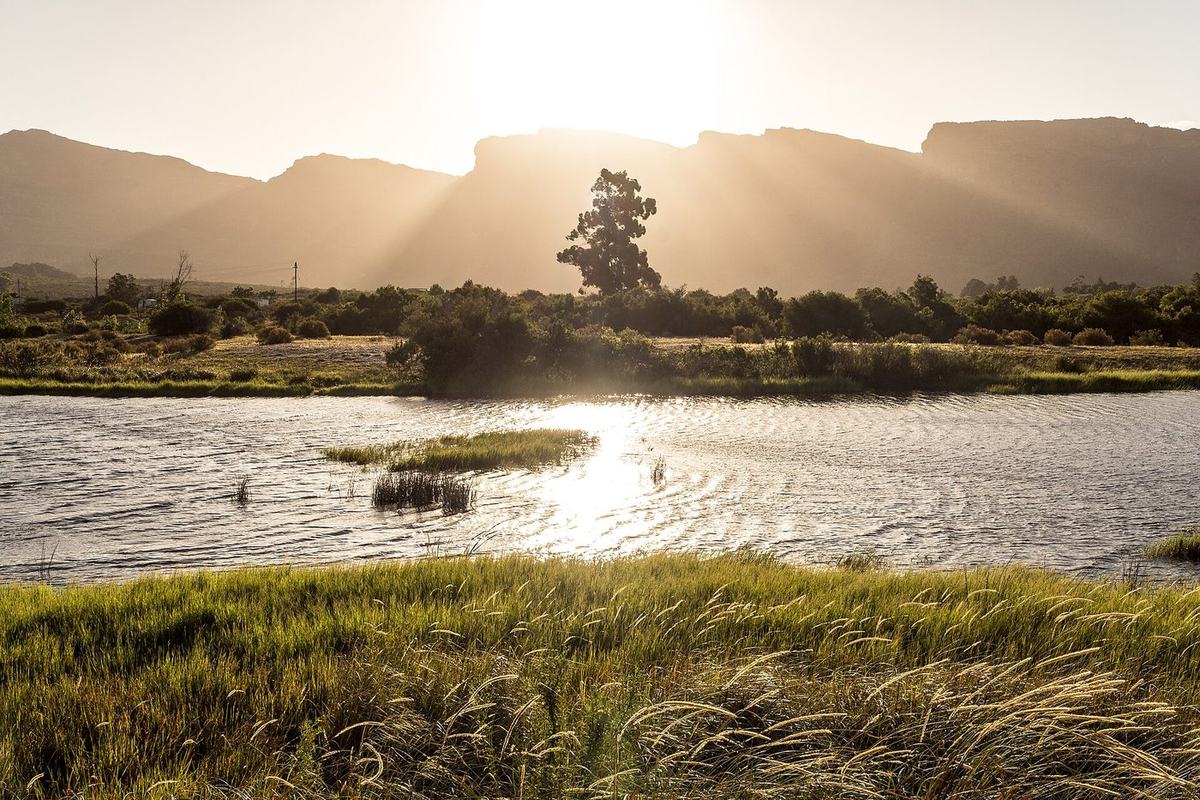
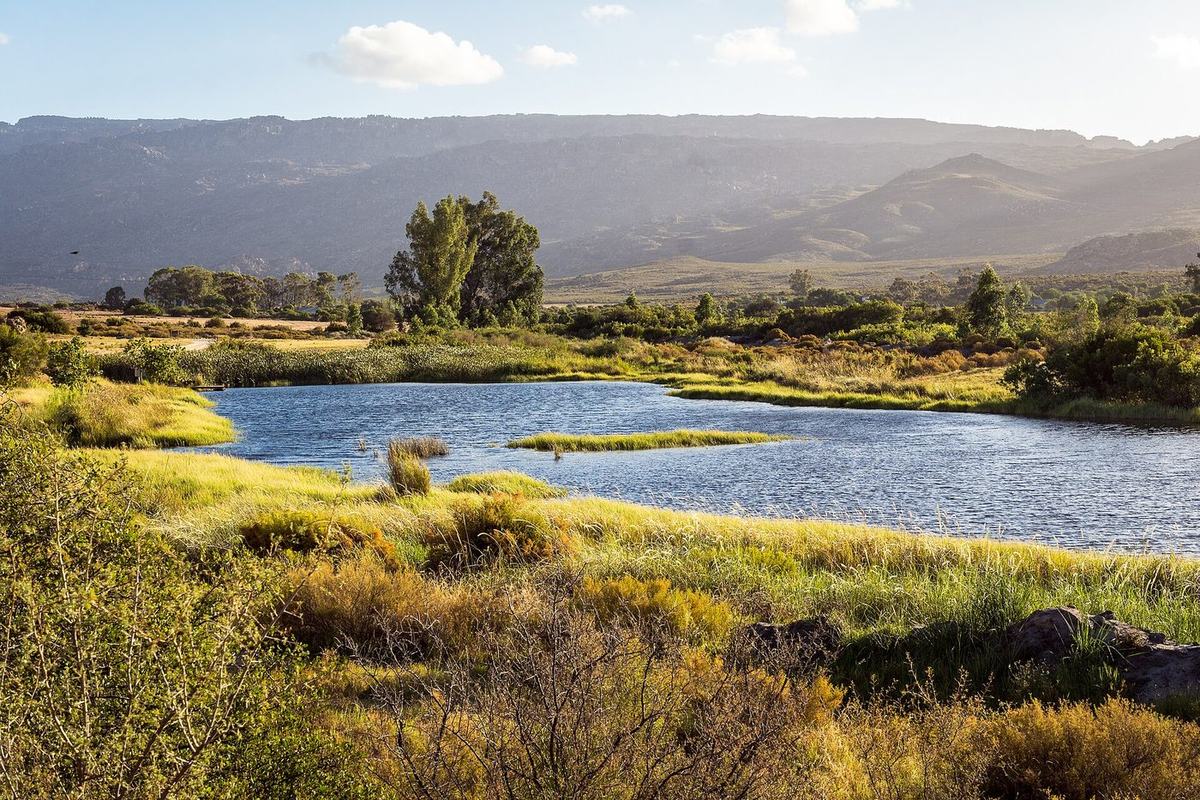
Spring is the sweet spot: mild days, the rivers still full from winter, the flowers just finished and the crowds gone home. August is flower season and the road in fills up. Midsummer is hot and dry and hard on long walks; midwinter is cold, wet and beautiful, and the gravel is at its worst.
Four things to know before you leave Clanwilliam: no fuel in the village, no ATM, patchy signal, and the roads past the village want high clearance. Everything else is easier than people expect — the Pakhuis Pass is tarred, and the last stretch of gravel is fine in an ordinary car in dry weather.
There is no formal tourism bureau in the village — visitor information is informal. Ask at the Mission Store on Die Werf, the shoe factory or your accommodation host; the plan your visit page and the valley map cover the rest. For the Heuningvlei donkey cart trail, book through the Cederberg Heritage Route or Heuningvlei community tourism.
Almost everything on this site was reported by someone else first. We keep a page of the originals — the journalism, the fire coverage, the factory histories — so the people who did the work get the click, and so you can check us.
The village, the shoe factory, the rooibos co-op, the guesthouses and the mountain passes — plotted, with directions and what's open when.
Open the mapWupperthal liegt in der Westkap-Provinz Südafrikas, im Cederberg-Gebirge. Das Dorf wurde 1830 von deutschen Missionaren gegründet und ist bekannt für die älteste Schuhfabrik Südafrikas (1836) und für Rooibos-Tee. Alle Reiseinformationen auf Deutsch finden Sie auf der Seite Wupperthal auf Deutsch.