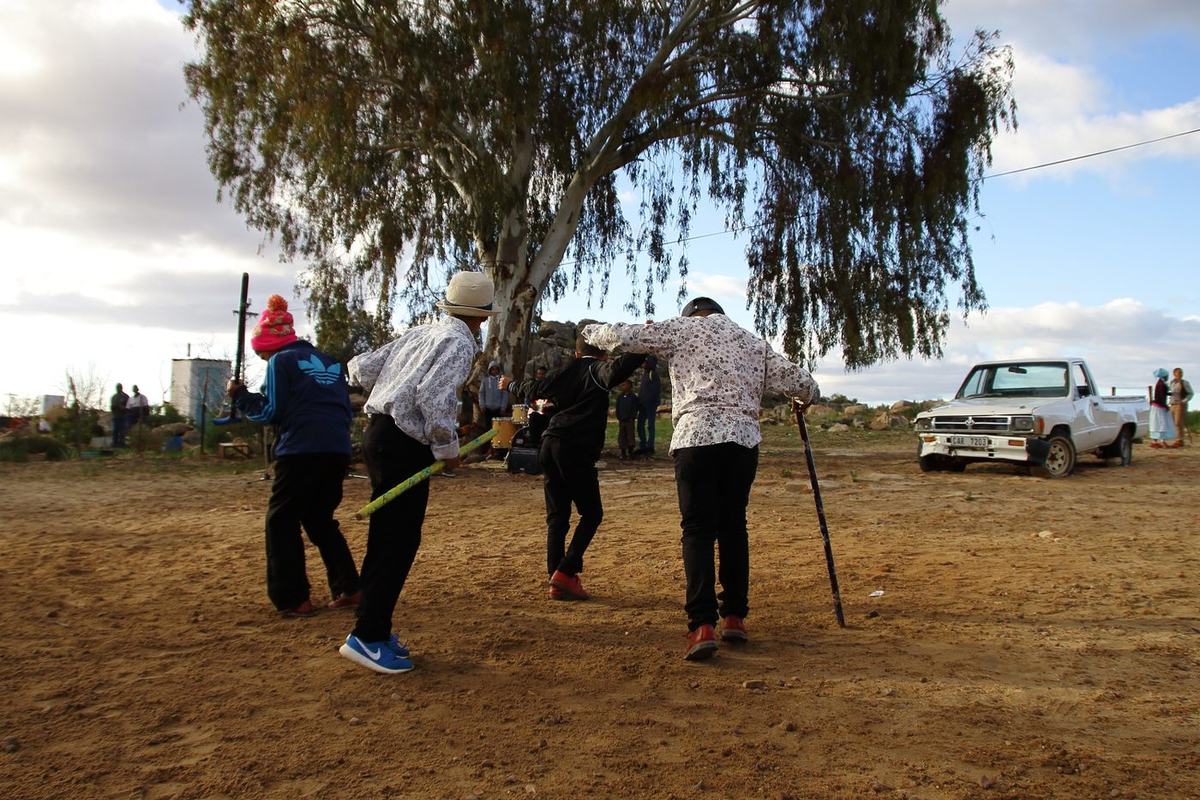
One of the oldest dances in South Africa is still danced in this valley — on bare ground, in vellies, by teenagers who have won medals for it on the other side of the world.
What the riel is
The riel — rieldans — comes down from the Khoi and San of the Cape interior, and it is danced the way it has always been danced: outdoors, on hard sand, in ordinary clothes and veldskoene, to a guitar or concertina and whatever will make a rhythm. The footwork is fast and low, the dust comes up around the dancers' feet by design, and the movements tell stories — courtship, hunting, the strut and skitter of animals. It is not a stage tradition that has been dressed down for the veld. It is a veld tradition that occasionally gets put on a stage.
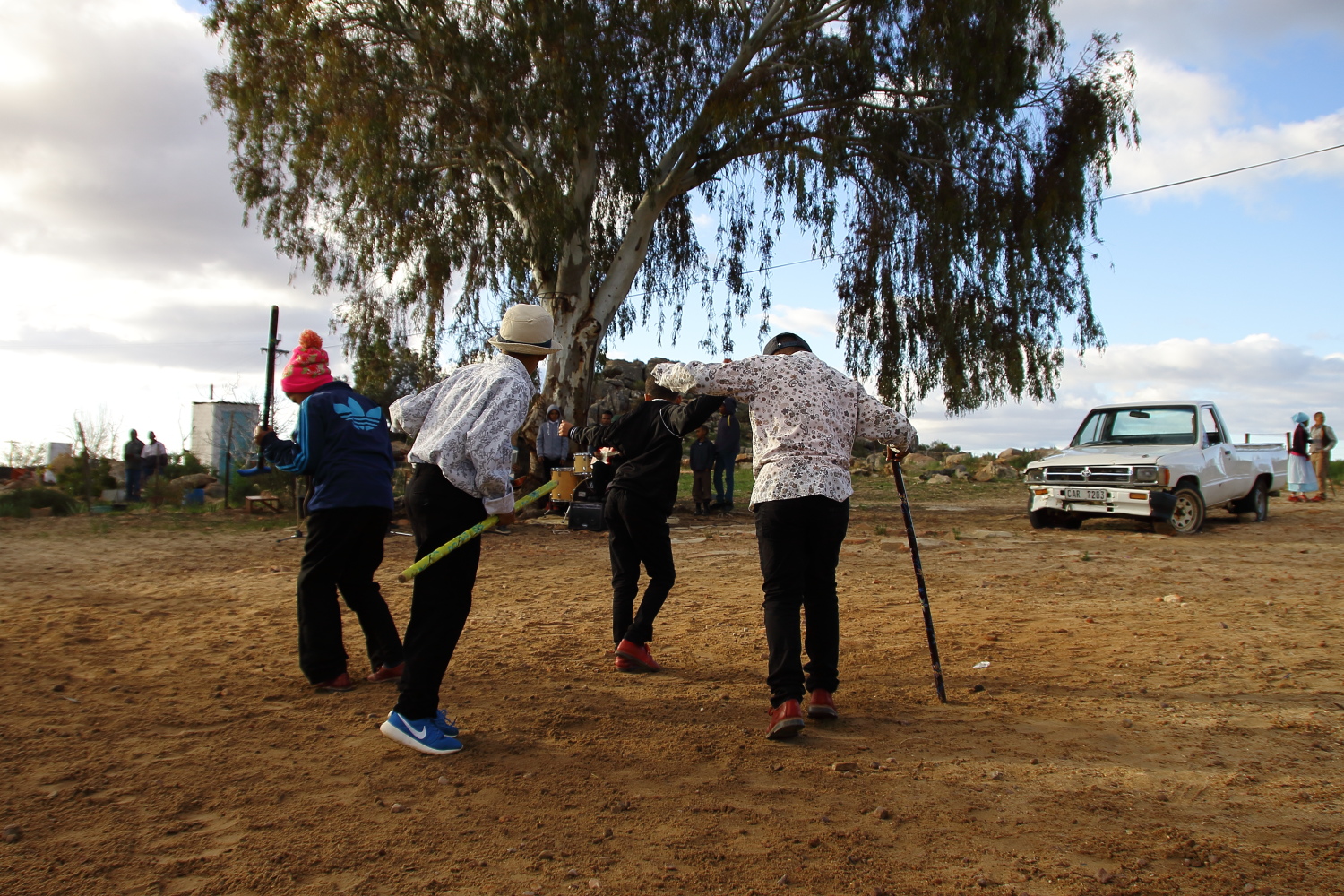
Die Nuwe Graskoue Trappers
The troupe was formed in 2012, after a chef at nearby Bushmans Kloof, Floris Smith, saw children dancing the riel around Wupperthal and offered to train and choreograph them. The name comes from the places the dancers are from: Nuweplaas, Grasvlei, Koueberg, Suurrug and Agterstevlei — outstations of the same mission, scattered up the gravel roads around the village.
What happened next is the part worth telling properly.
| 2012 | Formed, from the outstations around Wupperthal |
|---|---|
| December 2013 | Debut at the national riel dance championship final — ATKV junior champions |
| 2014 and 2015 | ATKV junior riel dance champions again, three years in a row |
| April 2014 | Grand Champion Award for best group performance, and gold in ethnic folk dance, at the South African Championships of the Performing Arts |
| July 2015 | World Championship of Performing Arts, Los Angeles: 14 gold and eight silver medals in senior dance, with the troupe's musicians taking seven silvers |
Children from a handful of houses on a Cederberg gravel road, dancing a Khoi and San dance in the shoes their village has made since the 1830s, went to Los Angeles and came home with fourteen golds. That is Wupperthal in one sentence.
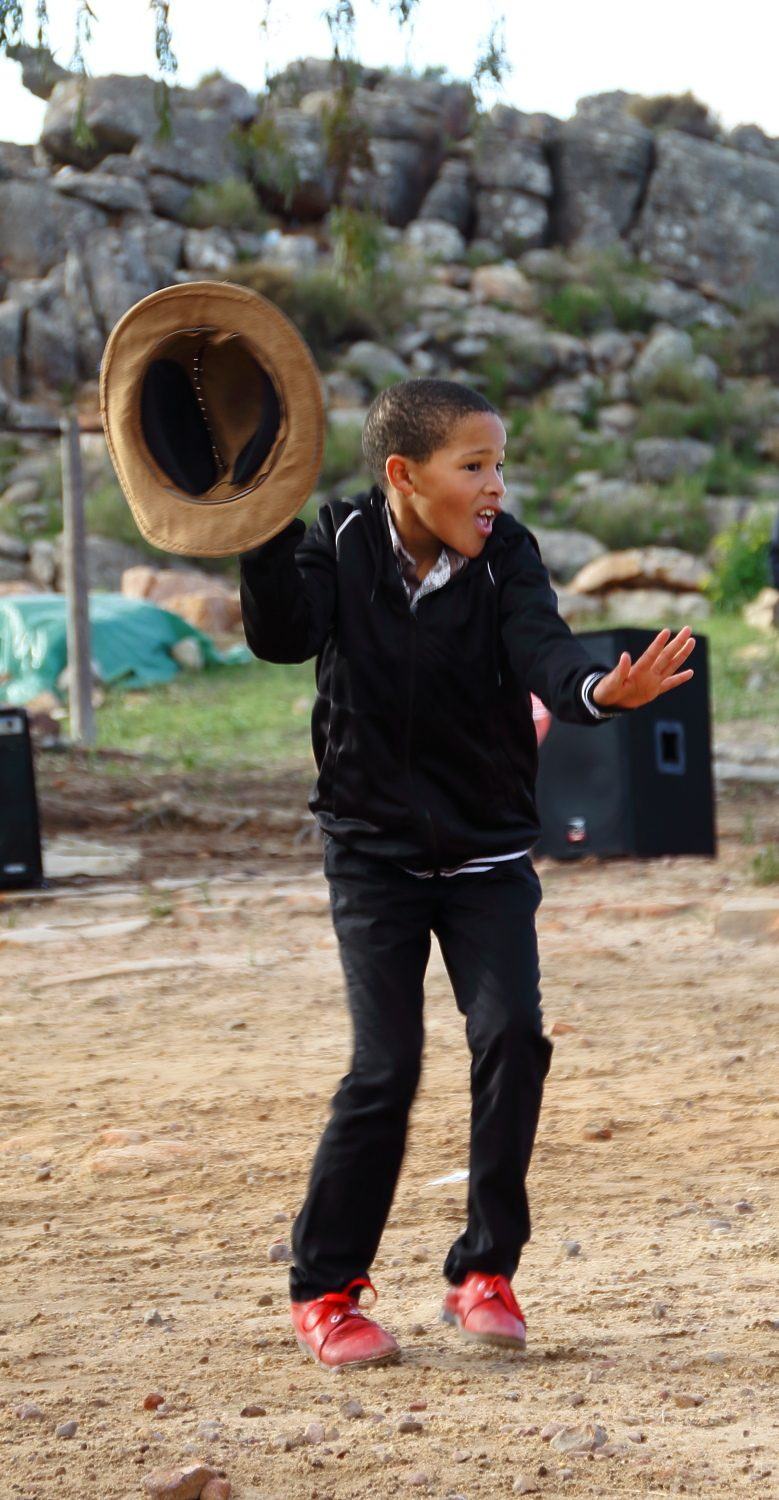
Can you see them dance?
Sometimes — and not to order. They are a competitive troupe of school-age dancers with practices, exams and a competition season, not a floor show that runs at six every evening. The riel competition season builds toward the national final in December, and the group performs at festivals and events through the year, in the valley and far outside it.
So: ask when you get here. Ask at Lekkerbekkie, ask your hosts, ask at the mission office. If there is a practice on and you are welcome to watch, you will have seen the best thing in the valley. If not, that is the honest answer — and it is a better answer than a performance staged for the visitors.
If you do see it
- Ask before you film. Some of these dancers are children.
- If a hat goes round, put something in it. This is how the troupe travels.
- Stay off the dance ground. The dust is part of the dance, not a problem to be tidied up.
Sources: reporting on the troupe's formation and competition record, including the Cape Town Military Tattoo's own notes on the group, Brand South Africa's coverage of the ATKV riel competition, and South African press coverage of the 2015 World Championship of Performing Arts. Medal counts are as reported at the time. We have not verified the troupe's current line-up or performance schedule — nor should you assume it from this page.
More to do in the valley ›Last updated August 2026