Wupperthal makes two things the old way: veldskoene, in the oldest shoe factory in the country, and rooibos, on the slopes above the village.
| Shoe factory founded | 1836 (some sources say 1834) — the oldest in South Africa |
|---|---|
| Founded by | Johann Gottlieb Leipoldt, a missionary and shoemaker |
| First of its kind | The first commercial maker of the veldskoen in South Africa |
| Later owners | Rev. Willy Strassberger (1920s); Heini Strassberger moved the operation to Clanwilliam in the 1950s as Strassberger Shoes |
| At its peak | Between 42 and 46 skilled cobblers |
| What's made | Hand-cut, hand-stitched veldskoene (“vellies”) |
| Rooibos | Grown on the surrounding slopes; taste and buy at the village co-op |
The oldest shoe factory in South Africa
The workshop was set up in 1836 by the missionary Johann Leipoldt, a shoemaker by trade. Nearly two centuries later, veldskoene are still cut and stitched here by hand, the same way — and the factory has become the village's most famous export, drawing visitors from Europe and Asia who ask directions to it the moment they arrive.
“Nelson Mandela came to the factory in the late 1990s, and left wearing a pair.”
Received from Arnold Gertse, the factory manager. Forbes Africa, 2012
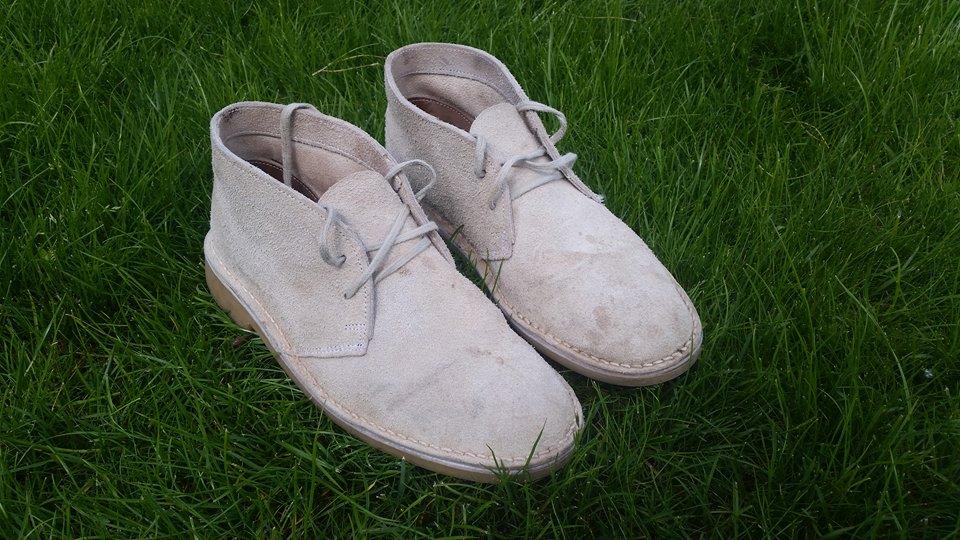
Sources differ on the founding year: some give 1834, others 1836. Either way it is the oldest working shoe factory in the country, and the first commercial maker of the veldskoen.
Where the word comes from
“Veldskoen” comes from the Afrikaans vel, skin — later drawn together with veld, field, and skoene, shoes. The design is believed to follow traditional Khoisan footwear, which is the older story underneath the mission one: von Wurmb and Leipoldt arrived, saw that residents and travellers needed something that could survive the Cederberg, and put a workshop behind a shoe that was already here.
Vellies are sometimes counted as light boots — a cousin of the chukka or desert boot, but with a lower topline. Soles are crepe rubber, or, in the frugal tradition, cut from old car tyres. The leather depends on what is at hand: in Namibia, kudu and seal are common.
The Strassbergers, and the move to Clanwilliam
The factory grew through the 1800s and was taken over by Reverend Willy Strassberger in the 1920s. In the 1950s, Heini Strassberger moved the shoe-making operation down to Clanwilliam, then the region's busy business centre, where it trades to this day as Strassberger Shoes — still around 80% handmade.
The Wupperthal workshop never closed. It carried on at a smaller scale, and it is still the older of the two: the country's oldest shoe factory, in the village where the shoe was first made commercially.
Alongside the shoes, the village once ran a tannery and a glove factory for many years, and it still dries and rolls its own tobacco — roltabak. Dried fruit and dried beans come off the same valley floor.
A note for the record: the red veldskoene made famous nationally by David Kramer, and the modern commercial “Veldskoen” footwear brand, are their own stories — neither is connected to the Wupperthal factory. What's made here is the village's own handmade shoe.
Rooibos, at source
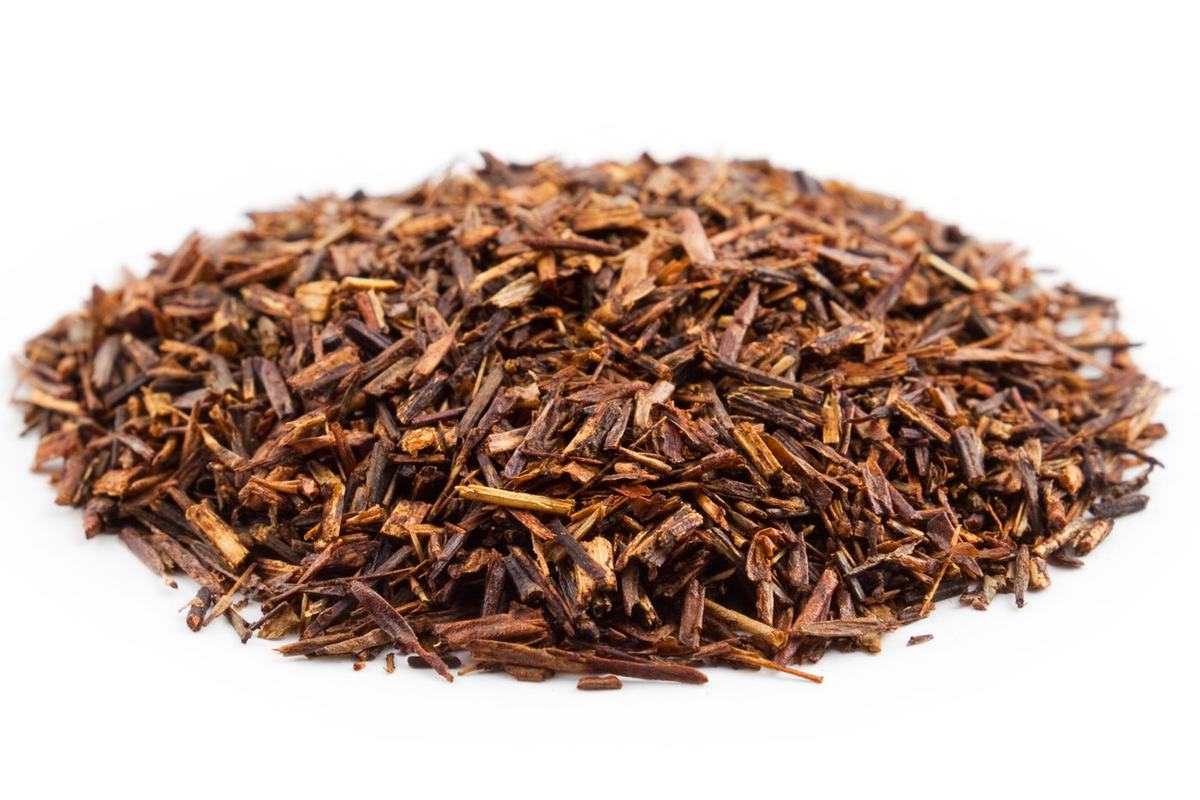
Rooibos grows wild only in this corner of the world, and it has been farmed on the slopes around Wupperthal for generations — the valley's records of it go back more than two centuries. In the village you can taste it and buy it where it's grown, about as close to the source as rooibos gets.
The co-operative, and why it matters
Almost all of South Africa's rooibos comes off large plantations. Wupperthal's does not. The Wupperthal Original Rooibos Co-operative was founded in 2009 by the valley's smallholders — farmers whose families were pushed onto the poorest, rockiest ground in the 1800s and kept there by the century that followed — and it earned Fairtrade certification in early 2010.
They farm it the hard way, which is also the old way: no irrigation, no fertiliser, no pesticides, on dry mountain slopes. Membership figures differ between accounts — the co-op has been reported as founded by 84 members, and elsewhere as growing from 53 to around 93 with some 74 actively producing — but the shape of it is consistent: a small, democratically run group of family farmers, marketing under their own name in an industry of estates.
You will see that name on the tea: Wupperthal Rooibos 1830. Green rooibos leaves the valley for processing, and a community development trust, set up in 2017, channels a share of the proceeds back into the valley — reported as serving roughly 1,700 people across the mission's settlements.
Buying a packet here is not a souvenir transaction. It is close to the shortest supply chain rooibos has: the slope you can see from the street, the family that farms it, and the trust that spends the margin in the valley.
Sources: Equal Exchange's co-operative profile, Farmer's Weekly, Camellia Sinensis and the co-op's own Wupperthal Rooibos 1830 site. Membership counts and the founding-member figure vary between these accounts and are given here as reported. We have not verified whether the co-op offers tours or tastings on any fixed schedule — ask in the village.
Visiting the factory and the co-op
Both sit in and around Church Square, at the heart of the village. Hours can be informal — this is a small working community, not a tourist complex — so it's worth asking at Leipoldt House (the information office and tea room) when you arrive.
How to get here ›Last updated July 2026 · confirm opening times locally before visiting
Buying Wupperthal shoes and rooibos
You can buy a pair of handmade veldskoene at the Wupperthal shoe factory on Church Square, and rooibos at the village co-op — both at source. The factory does not publish a fixed price list: prices are set at the workshop and vary with size and leather, so ask when you're there. Hours and stock are informal, so it's worth phoning ahead through the mission office or asking at Leipoldt House before you count on a purchase.